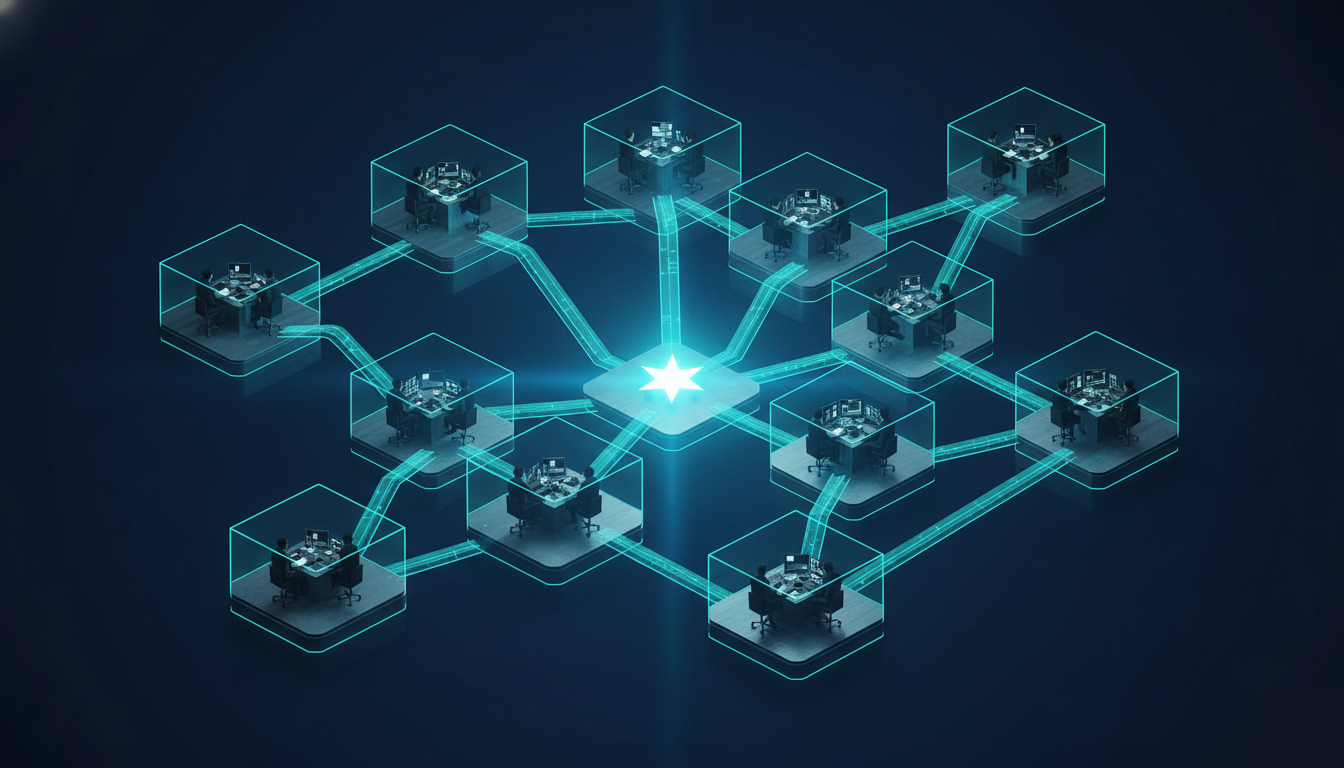
Partnerships are a great way for organisations to leverage each other’s strengths. We are pleased to announce that this month we’ve formed partnerships with both Anthropic and OpenAI!


Through these partnerships, MISSION+ has proven its ability to deliver next generation solutions and outcomes, and gives us access to certification and training to ensure we stay at the frontier.
Congratulations to all the team members who helped by getting certified, and we look forward to putting these skills to use for our clients!

Reflections On The Mission
Compounding is confusing.
“We tend to overestimate the effect of a technology in the short run and underestimate the effect in the long run.” - Roy Amara
Our brains just struggle to grasp that future progression. We focus on immediate capabilities, perhaps projected out a little.
The AlphaGo documentary (available on YouTube) is one of my favourite things to watch. World champion Lee Sedol’s quick realisation that he is going to lose, and the emotional confusion that follows, says a lot about how many people now feel. He later said “Even if I become the number one, there is an entity that cannot be defeated.”
Except AlphaGo was very quickly defeated. Eighteen months after the match, AlphaGo Zero beat the version that played Lee 100-0. Then the general-purpose AlphaZero beat that model 60-40. And taught itself chess and shogi. DeepMind stopped building Go-specific models after that. There was no point.
That’s compounding at work.
David Holz tweeted this about robots:
“5 million humanoid robots working 24/7 can build Manhattan in ~6 months. now just imagine what the world looks like when we have 10 billion of them by 2045. now imagine the year 2100.”
I’m trying to wrap my head around that, but I can’t. The impact is too great, too dislocating. We could build new cities and carry out nation-level renovations to decaying infrastructure. A brand new world. The constraint moves to electricity, and to mining and transporting physical materials. Technological innovation and embodied AI will serve those too.
Compounding doesn’t remove constraints, it moves them. It can bring about abundance. But abundance brings challenges.
How many of the applications people are building will never see the inside of a production CPU? Look at GitHub - it’s now getting 7 billion commits per month. It was 5 billion in the whole of 2025. 3 billion in 2024.
In a world of abundance, we need:
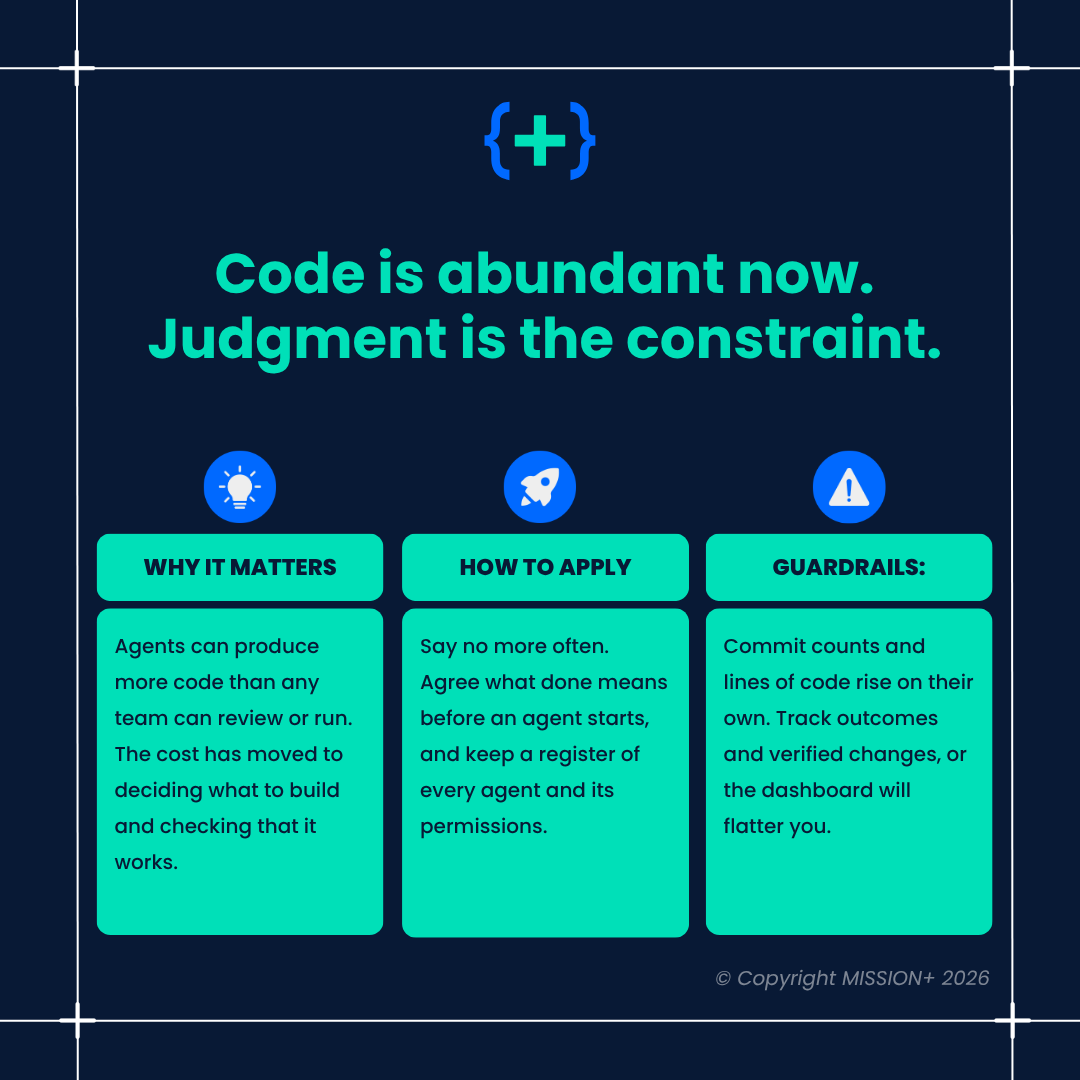
Judgment. Are we building the right things? Are we saying “no” enough?
Verification. How do we know what is being produced is correct? Who is checking the quality of what a robot is producing?
Operability. How do we handle so much code? How do we keep track of all the agents and their permissions?
Many of the conversations and concerns we’re now having have a shelf-life. The world is going to get a lot weirder. We need to think harder about compounding, and what the constraints of the future will actually be.
Let’s end with another thought about Go: “I, Lee Sedol, lost, but mankind did not.”
Interesting Links
Ordinary Abundance - a walk back through history to things that are totally normal today, but weren’t always so… like pineapples.
InfiniteSlop.ai - this has mostly flamed out now, but an example of abundance - non-stop generation of short clips, prompted in real-time. Sloptastic.
The Simulation's Ending - Claude Opus 5.5 creates majestic motion graphics. A whole new music genre has emerged: slopcore.
This Is The Way
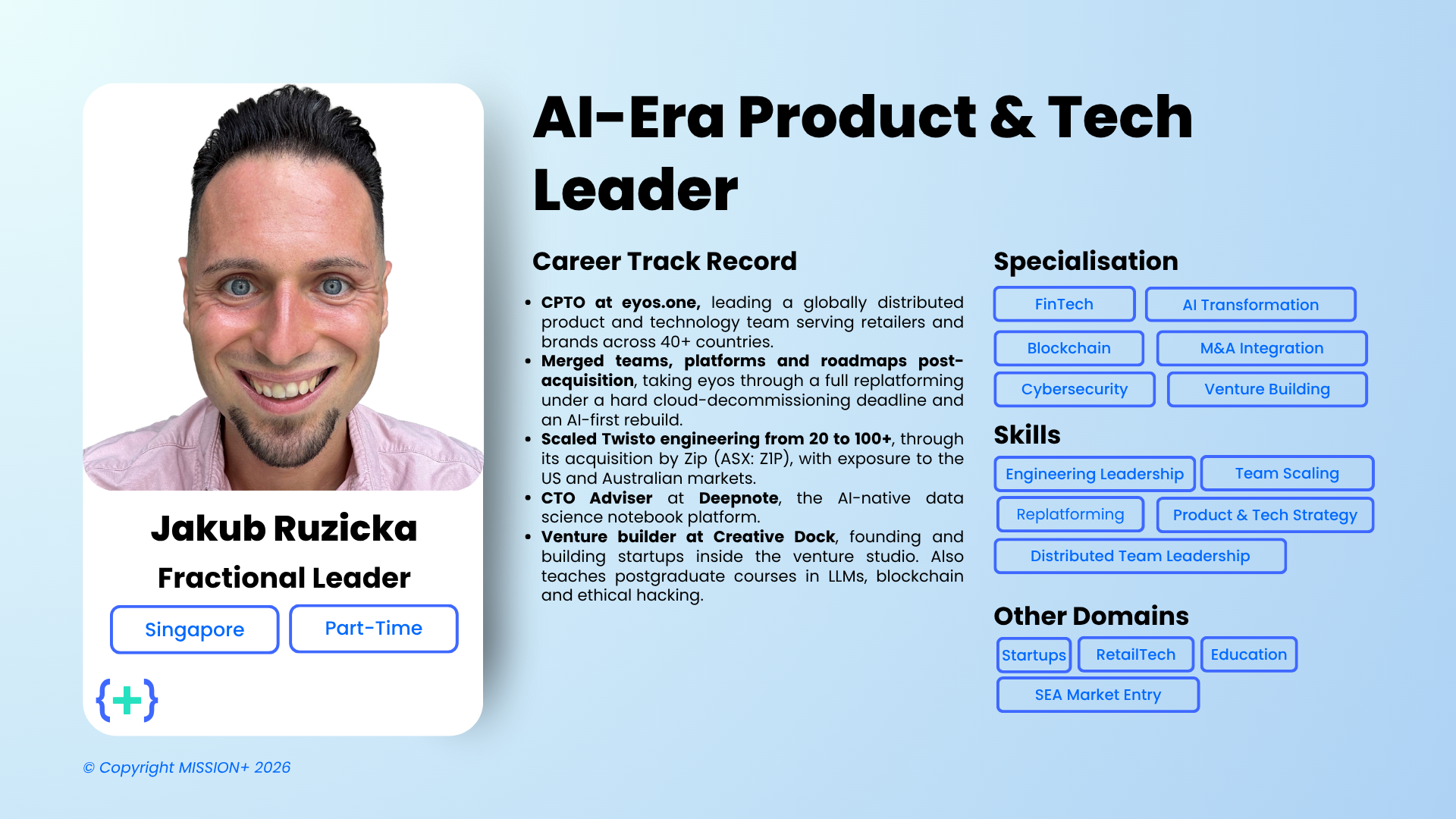
Feature A Fractional
We’re On A Mission

Until next month. Together, We Build {+}
Ned & the MISSION+ team
P.S. If you would like to bring the MISSION+ team into your organisation to help, please reach out to [email protected]!